
At TJ Stem Cells, we are proud to offer Muse Cell Therapy — one of the most advanced and scientifically validated regenerative treatments available today. Muse Cells (Multilineage-differentiating Stress Enduring cells) are a unique population of pluripotent-like stem cells naturally found in the human body, capable of repairing damaged tissues across multiple organ systems without the need for genetic manipulation or immunosuppression.
Muse Cell Therapy — Next-Generation Regenerative Medicine
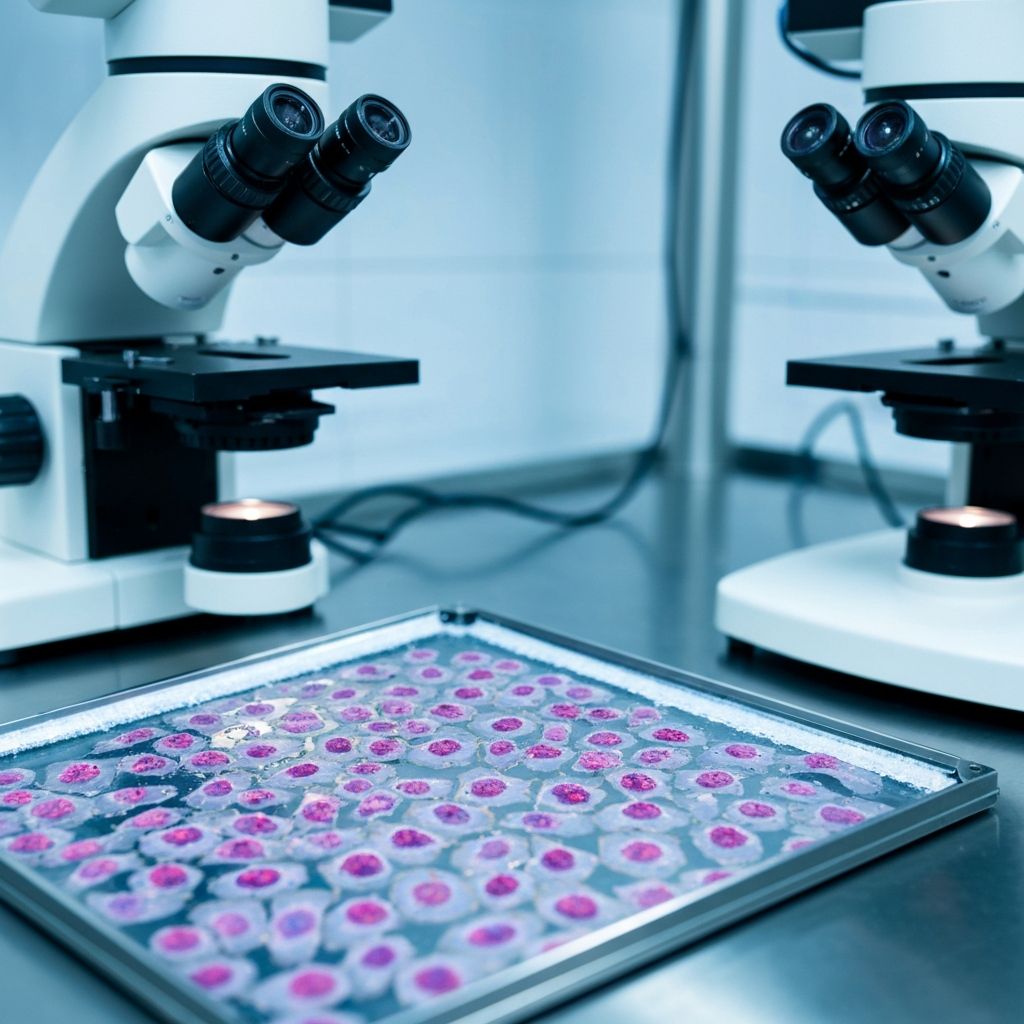
What Are Muse Cells?
Muse Cells (Multilineage-differentiating Stress Enduring cells) were discovered by Dr. Mari Dezawa at Tohoku University in Japan. Unlike conventional stem cells, Muse Cells are naturally present in the bone marrow, peripheral blood, skin, and connective tissues of every human being. They are characterized by the surface markers SSEA-3 and CD105, and possess a remarkable ability to self-renew and differentiate into cells of all three germ layers — mesoderm, ectoderm, and endoderm — making them truly pluripotent.
What makes Muse Cells extraordinary is their homing ability: when administered intravenously, they migrate specifically to damaged tissues throughout the body, guided by distress signals (sphingosine-1-phosphate, S1P) released by injured cells. Once they arrive at the site of damage, they spontaneously differentiate into the cell type needed for repair — whether it is neurons, cardiac cells, liver cells, or skin cells — without requiring external growth factors or genetic reprogramming.
How Muse Cells Work: The Science Behind the Therapy
The Muse Cell therapy process at TJ Stem Cells follows a carefully designed protocol to maximize therapeutic benefit:
01
Donor Cell Preparation
Muse Cells are isolated from healthy donor bone marrow or umbilical cord tissue, then rigorously tested for safety, purity, and potency before administration.
02
IV Administration
Muse Cells are delivered intravenously in a simple, minimally invasive outpatient procedure. No surgery, no anesthesia, and no lengthy recovery time required.
03
Homing to Damaged Tissue
Once in the bloodstream, Muse Cells are guided by S1P signals to migrate directly to sites of injury or disease throughout the body, crossing barriers including the blood-brain barrier.
04
Tissue Repair and Regeneration
At the site of damage, Muse Cells differentiate into the specific cell type needed — neurons, cardiomyocytes, hepatocytes, or skin cells — and integrate into the host tissue to restore function.
Conditions Addressed by Muse Cell Therapy
Due to their unique ability to differentiate into virtually any cell type and migrate to damaged tissues, Muse Cells show significant therapeutic potential across a wide range of conditions:
Neurological Disorders
Stroke recovery, ALS, Parkinson’s disease, spinal cord injury, traumatic brain injury, multiple sclerosis, and dementia. Muse Cells cross the blood-brain barrier and differentiate into neurons to restore neural function.
Cardiovascular Disease
Heart failure, myocardial infarction, and ischemic heart disease. Muse Cells differentiate into cardiomyocytes and endothelial cells, repairing damaged heart muscle and restoring vascular integrity.
Autoimmune and Inflammatory
Rheumatoid arthritis, lupus, Crohn’s disease, and multiple sclerosis. Muse Cells modulate the immune system, reducing chronic inflammation and halting autoimmune attacks on healthy tissue.
Metabolic Disorders
Type 1 and Type 2 diabetes, liver disease, and kidney failure. Muse Cells can differentiate into insulin-producing beta cells, hepatocytes, and renal cells to restore organ function.
Orthopedic and Joint Conditions
Osteoarthritis, cartilage damage, sports injuries, and degenerative disc disease. Muse Cells promote cartilage regeneration, reduce joint inflammation, and restore mobility.
Skin and Wound Healing
Chronic wounds, diabetic ulcers, burns, and radiation-damaged skin. Muse Cells accelerate tissue repair, reduce scarring, and promote healthy skin regeneration.
Pulmonary Conditions
COPD, pulmonary fibrosis, and post-COVID lung damage. Muse Cells reduce pulmonary inflammation, promote alveolar repair, and improve respiratory function.
Anti-Aging and Longevity
Systemic cellular rejuvenation, improved energy levels, cognitive enhancement, and overall vitality restoration. Muse Cells replenish the body’s natural repair mechanisms depleted by aging.
Why Muse Cells Are Different
No HLA Matching Required
Muse Cells possess immune privilege properties, meaning they can be administered from any donor without the need for tissue matching or immunosuppressive drugs, dramatically reducing treatment complexity and risk.
Naturally Occurring in the Body
Unlike embryonic stem cells or iPSCs, Muse Cells are not genetically manipulated. They are naturally present in adult tissues, making them intrinsically safe and ethically uncontroversial.
Targeted Self-Homing
Muse Cells migrate autonomously to damaged tissue via sphingosine-1-phosphate (S1P) signaling. A simple IV infusion is sufficient to deploy these cells throughout the body with no surgical implantation needed.
Non-Tumorigenic
Unlike iPSCs or embryonic stem cells, Muse Cells have demonstrated no tumor formation in extensive preclinical and clinical studies, providing a significantly safer profile for therapeutic use.
Benefits of Muse Cell Therapy at TJ Stem Cells
Patients who undergo Muse Cell Therapy at TJ Stem Cells benefit from a comprehensive, personalized treatment approach backed by the latest scientific research:
01
Minimally Invasive Treatment
Delivered via simple IV infusion, Muse Cell Therapy requires no surgery, no general anesthesia, and no hospitalization. Most patients complete treatment in a single outpatient visit.
02
Multi-System Repair
A single Muse Cell infusion can simultaneously address multiple damaged organ systems, making it uniquely effective for patients with complex, multi-system conditions.
03
Long-Lasting Results
Clinical studies show that Muse Cells integrate into host tissues and continue to provide regenerative benefits for months to years after a single treatment, offering sustained improvement.
04
Clinically Validated Safety
Muse Cell Therapy has been evaluated in multiple Phase 1, 2, and 3 clinical trials in Japan and internationally, demonstrating an excellent safety profile with no serious adverse events reported.
The TJ Stem Cells Advantage
At TJ Stem Cells, located in Tijuana, Mexico — just minutes from the US border — we combine world-class regenerative medicine with exceptional patient care. Our medical team includes board-certified physicians with specialized training in cellular therapies, and our facility meets the highest international standards for safety and quality.
We offer Muse Cell Therapy as part of a comprehensive, personalized treatment plan that may include complementary therapies such as IV nutritional support, hyperbaric oxygen therapy, and targeted rehabilitation protocols to maximize your outcomes.
Ready to Explore Muse Cell Therapy?
Take the first step toward healing. Our team of specialists is ready to evaluate your case and create a personalized Muse Cell Therapy protocol designed specifically for your needs.